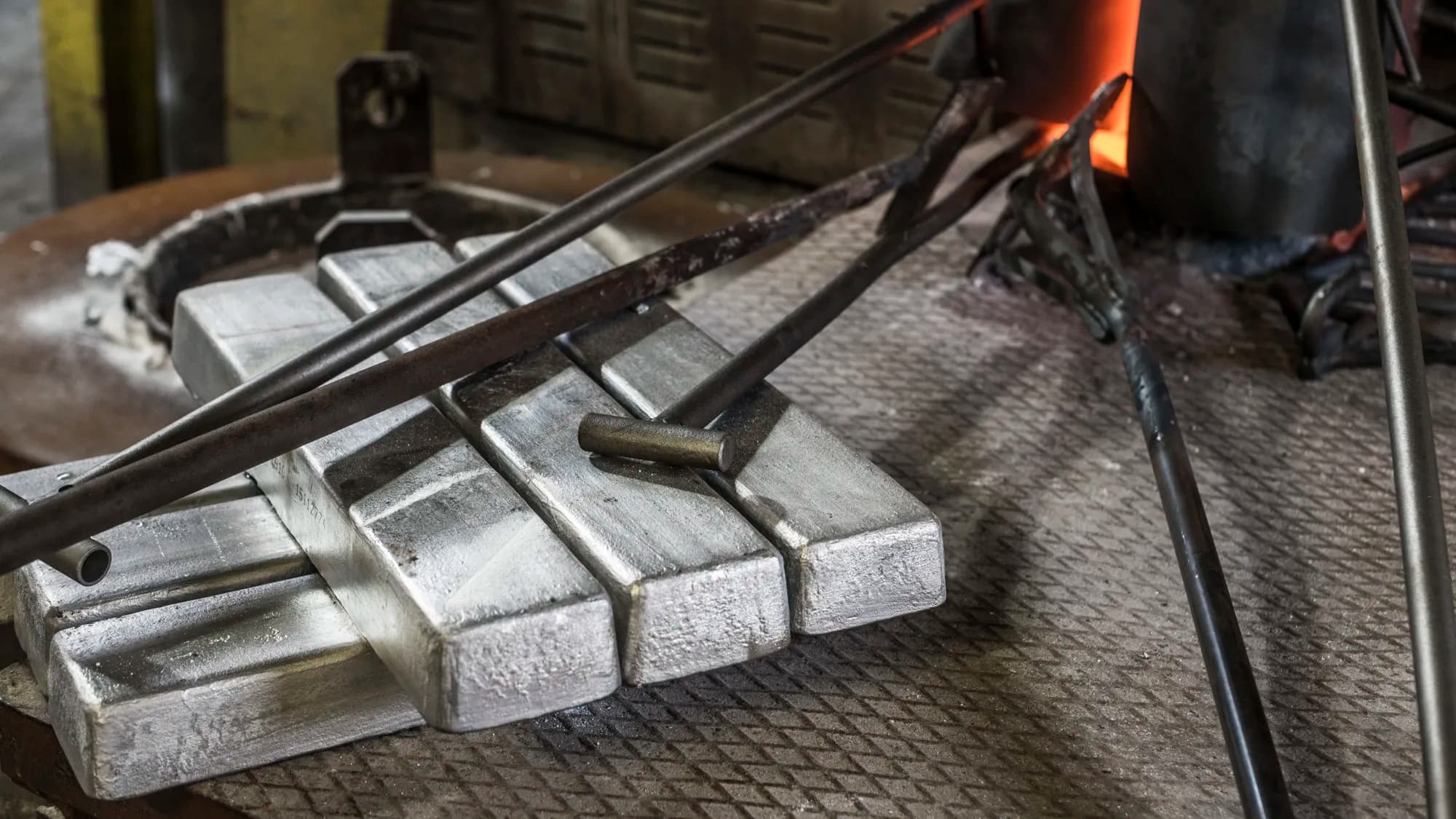
Magnesium
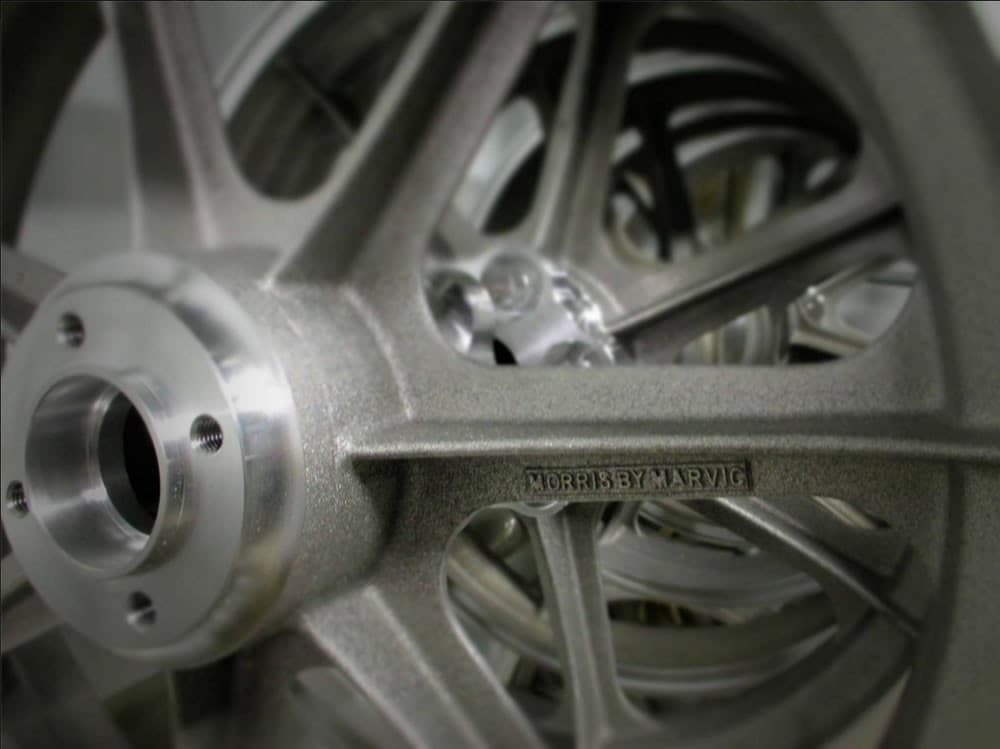
I motivi principali che spingono verso l’utilizzo del magnesio per elementi strutturali sono, oltre al più alto rapporto peso-resistenza tra tutti i metalli comunemente utilizzati, anche l’eccellente lavorabilità e la buona stabilità dimensionale
Il magnesio
Il magnesio è tra gli elementi più abbondanti sulla crosta terrestre (pari al 2%) ed è il terzo elemento più dissolto in acqua marina. Tra i metalli strutturali in commercio il magnesio è il più leggero: ha infatti una densità pari a 1,78 kg/dm3, mentre per esempio il peso specifico dell’alluminio è pari a 2,74 kg/dm3.
Sin dagli esordi il mondo del motorsport ha tratto ispirazione dalle discipline aeronautiche, dove i concetti di leggerezza e affidabilità trovano la propria massima espressione, e nel tempo la ricerca di materiali in grado di concedere resistenza e rigidità meccanica unite al minor peso possibile ha assunto un’importanza sempre crescente, diventando il vero spartiacque tra un normale mezzo di trasporto ed un “attrezzo” sportivo.
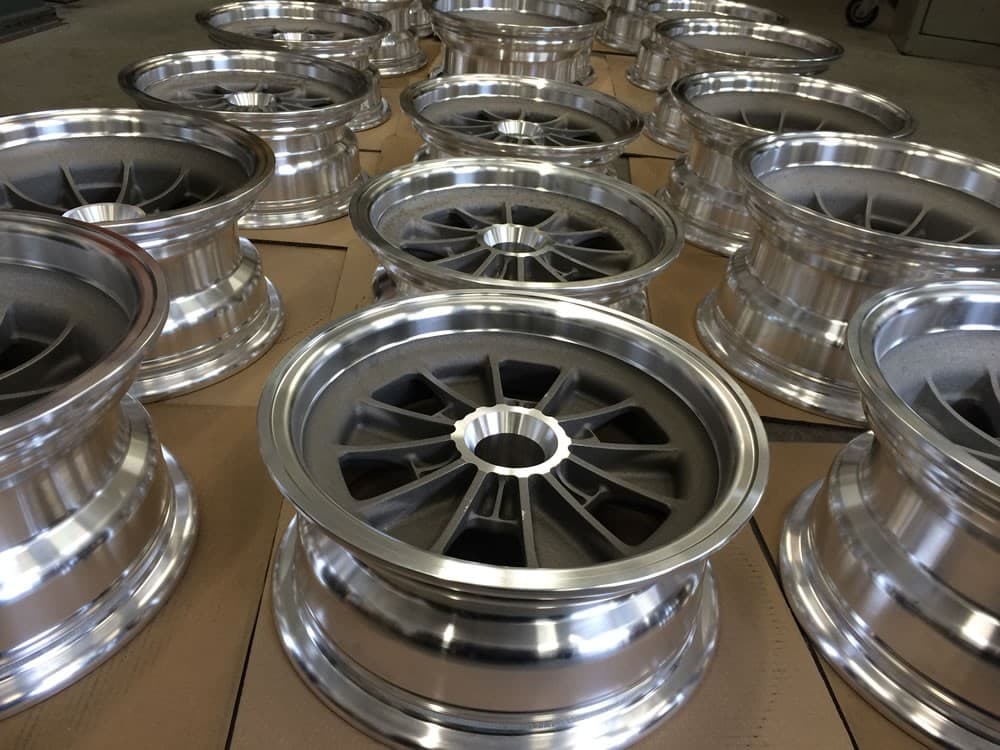
Con queste premesse il magnesio conquista di diritto il primo posto assoluto tra i metalli impiegati nella realizzazione di ruote e componenti ad alte prestazioni.
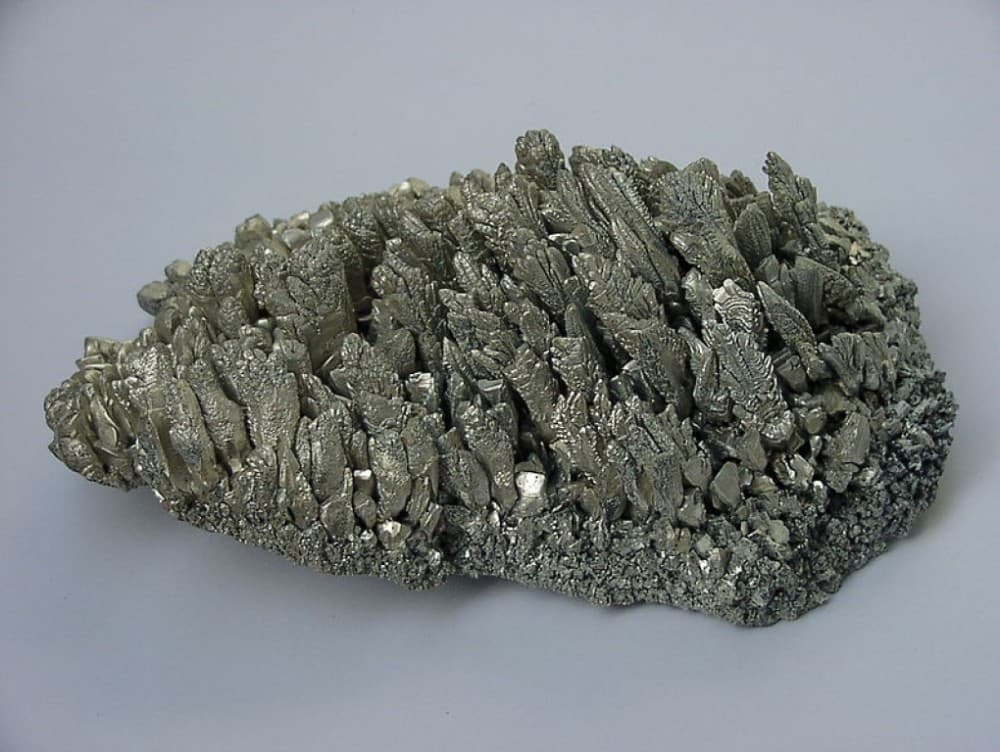
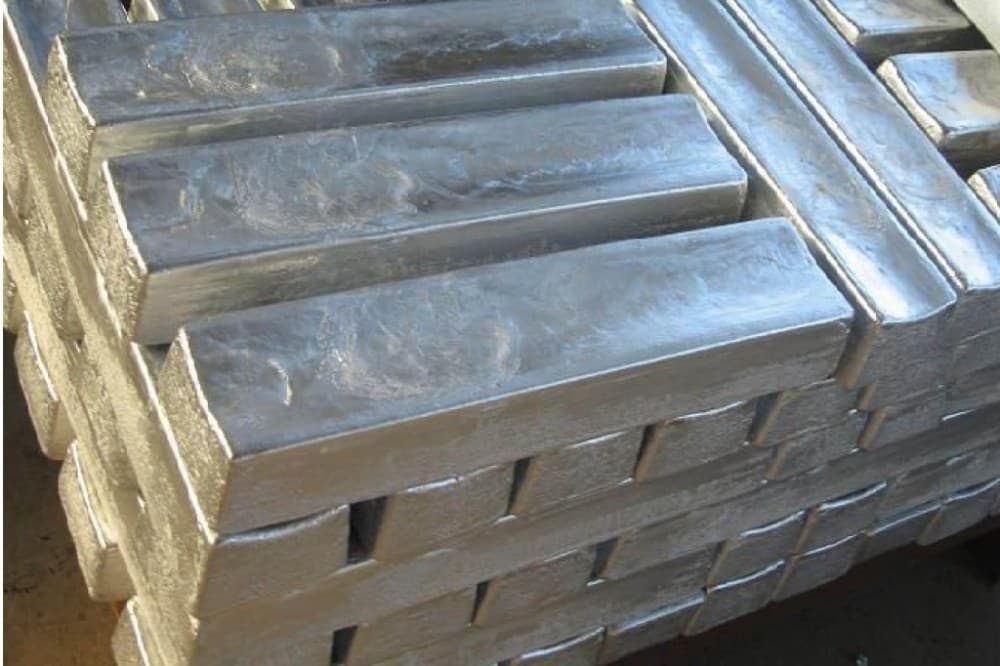
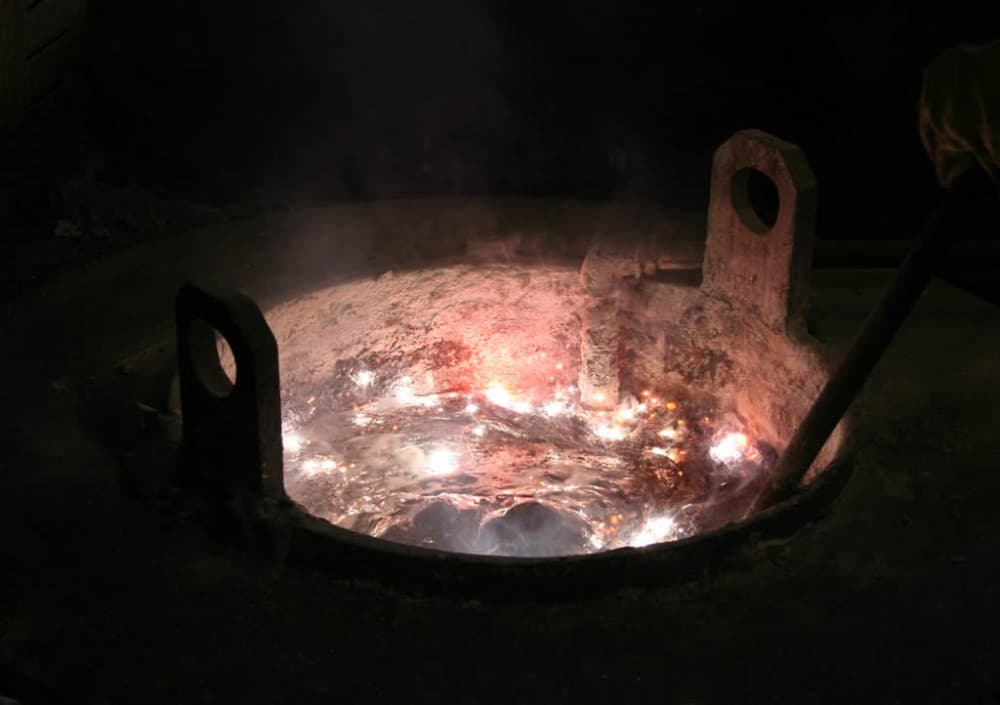
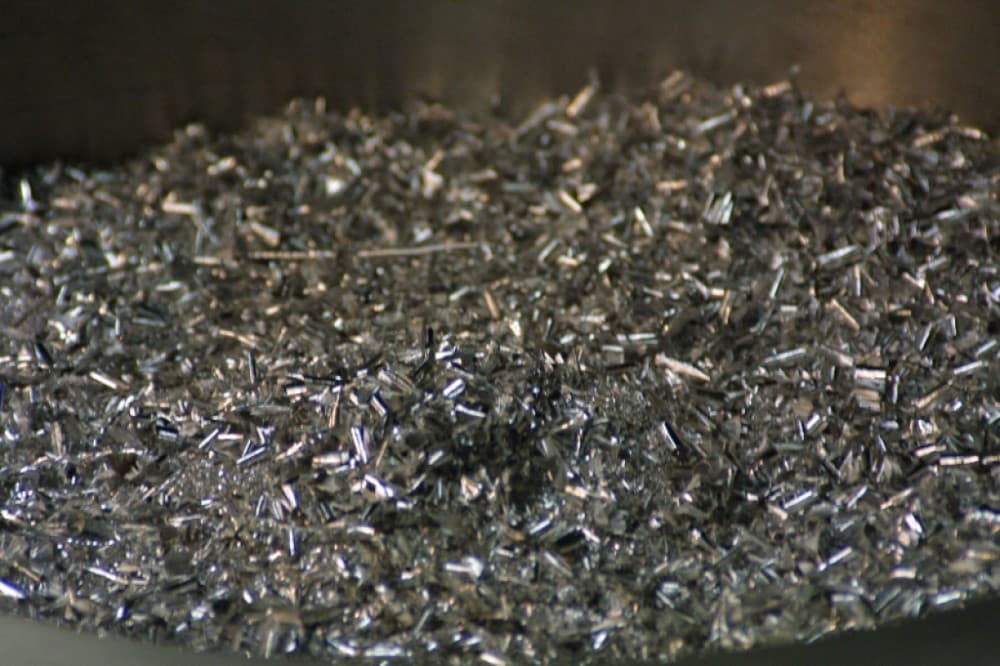
Il magnesio, dal minerale al riciclo
Applications
The main reasons for using magnesium in structural components are not only its superior strength-to-weight ratio compared to all other commonly used metals, but also its excellent workability and good dimensional stability.
The development of special alloys and the use of certain key elements have also led to improved corrosion resistance, the achievement of very high mechanical properties and good resistance to high temperatures, making it possible to use magnesium alloys for components subjected to extreme thermal loads.
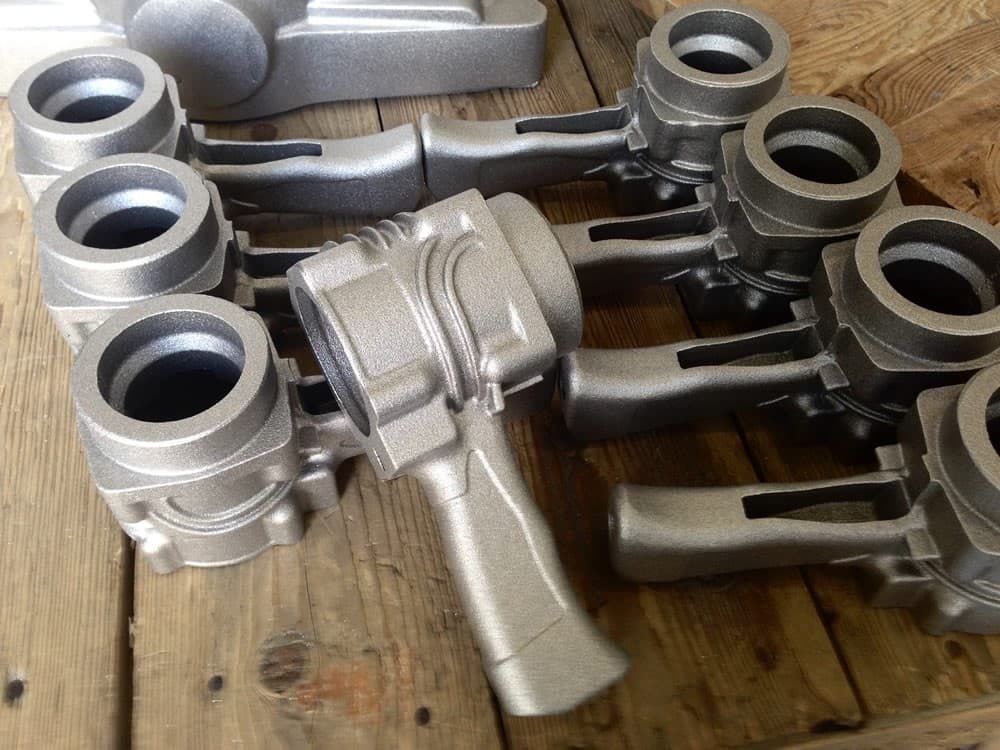
Grazie alla bassa densità combinata alle buone proprietà meccaniche, le leghe di magnesio sono particolarmente interessanti per i progettisti: di conseguenza sono ampiamente utilizzate nell’automotive, nei settori aerospaziale e difesa, nonché in altre applicazioni di ingegneria, ove il peso costituisce una fattore essenziale.
L’eccellente capacità di assorbimento vibrazionale e la sua bassa inerzia rappresentano una valida scelta per quelle parti meccaniche sottoposte a frequenti e improvvisi cambiamenti di direzione del moto ad alta velocità. Per questo motivo le leghe di magnesio sono ampiamente utilizzate per la costruzione per esempio di impianti automatici per imballaggi, per tipografia e serigrafia, e per l’automazione in genere.
Quando si parla di dinamica l’abbattimento del peso, soprattutto delle masse non sospese, rappresenta un fattore determinante per aumentare le prestazioni. In particolare l’utilizzo di ruote in leghe di magnesio comporta la riduzione dell’effetto giroscopico e del momento d’inerzia il che garantisce enormi benefici in fatto di reattività e maneggevolezza.
Le applicazioni del magnesio

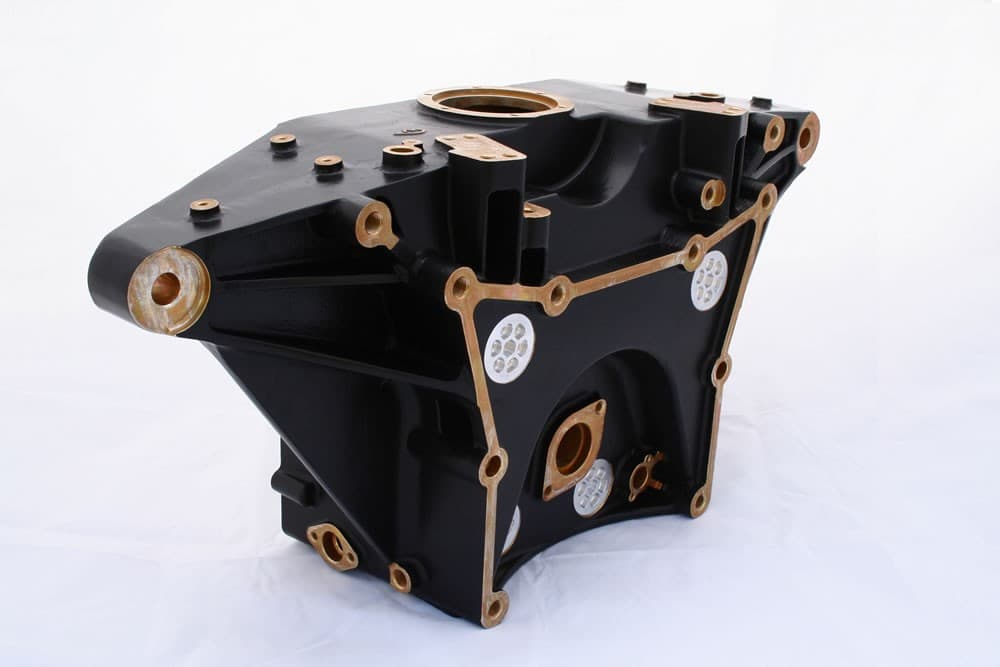
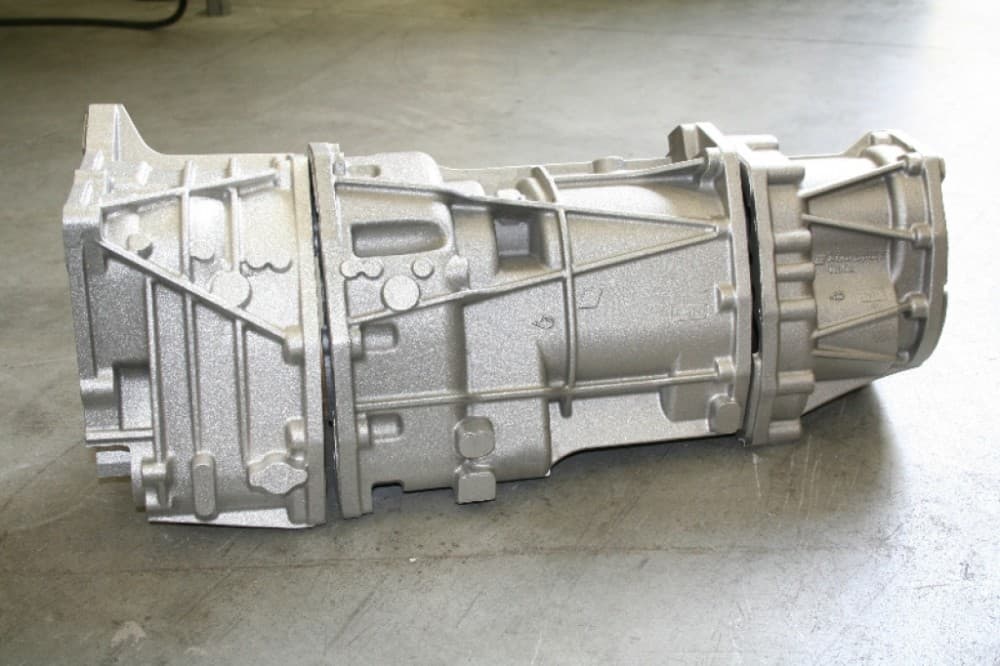
Le leghe di magnesio
The choice of magnesium alloy involves striking a careful balance between design requirements, mechanical properties, corrosion resistance, manufacturability and cost. One of the most widely produced alloys in the world is AZ91, as it offers a proven and cost-effective solution for most applications in the automotive sector and for applications where every gram counts.
AZ91
AZ91 is a general purpose gravity sand casting alloy containing aluminium, zinc and manganese.
Good properties may be achieved particularly with the use of chills in the mould.
Corrosion resistance is excellent.
Applications
The alloy is appropriate for use in automotive, aerospace, and industrial casting applications, especially in scenarios where high-temperature resistance is not a critical factor.
It is commonly utilized in castings that demand moderate yield strength, high tensile strength, and good elongation properties.
Chemical composition
- Aluminium: 8.1 -9.3%
- Zinc: 0.4 -1.0%
- Manganese: 0.17 -0.35%
- Magnesium: Balance
Heat treatment
For optimum properties the alloy should be used in the T4 condition i.e. 16 to 24 hours at 400°C to 420°C, forced aircool.
Alternatively, it may be used in the T6 condition T4 and then 8 to 16 hours at 180°C to 210°C.
Physical properties
- Specific gravity: 1.78 kg/dm³
- Thermal conductivity: 84Wm-1K-1
- Electrical resistivity: 141 n½m
- Modulus of elasticity: 44 x 103MPa
- Brinell hardness: 55 - 75
Design data
Minimum specification tensile properties T4 condition:
- Yield strength: 90MPa
- Tensile strength: 240MPa
- Elongation: 6%
RZ5
RZ5 is a well proven magnesium casting alloy containing zinc, rare earths and zirconium.
Used in the T5 condition, this high strength magnesium alloy is ideal for high integrity castings operating at ambient temperatures or up to 150°C.
Applications
The versatility of this alloy makes it of interest to a wide range of designers dealing with aerospace, automotive, military and electronic applications.
Chemical composition
- Zinc: 3.5–5.0%
- Rare Earths: 0.8–1.7%
- Zirconium: 0.4–1.0%
- Magnesium: Balance
Heat treatment
Optimum properties are achieved in the T5 condition after 2 hours at 330°C followed by 10–16 hours at 170–180°C.
Water quenching is not required.
Physical properties
- Specific gravity: 1.84 kg/dm³
- Thermal conductivity: 109 Wm-1K-1
- Electrical resistivity: 68 n½m
- Modulus of elasticity: 44 x 103MPa
- Brinell hardness: 55 - 70
Design data
Minimum specification tensile properties T5 condition:
- Yield strength: 135MPa
- Tensile strength: 200 MPa
- Elongation: 3%
EL21
EL21 is a new high strength fully heat treatable magnesium-based casting alloy for use at temperatures up to 200°C.
This alloy has excellent corrosion resistance characteristics and castability.
Applications
This lightweight, high-performance alloy has been developed for motorsport and aerospace applications.
It is designed to provide superior mechanical properties and improved corrosion resistance at high temperatures.
Chemical composition
- Zinc: 0.2 – 0.5%
- Neodymium: 2.6 – 3.1%
- Gadolinium: 1.0 – 1.7%
- Zirconium: Saturated
- Magnesium: Balance
Heat treatment
Castings are given the following T6 heat treatment to obtain optimum mechanical properties.
Solution treat for 8 hours at 520° C.
Hot water quenched using water at 60 - 80°C (140-175°F).
Age for 16 hours at 200°C (400°F), Air cool.
Physical properties
- Specific gravity: 1.82 kg/dm³
- Thermal conductivity: 116 Wm-1K-1
- Electrical resistivity: 94.6 nΩm
- Modulus of elasticity: 44 x 103MPa
- Brinell hardness: 65 - 75
Design data
Minimum specification tensile properties T6 condition:
- Yield strength: 145MPa
- Tensile strength: 248 MPa
- Elongation: 2%